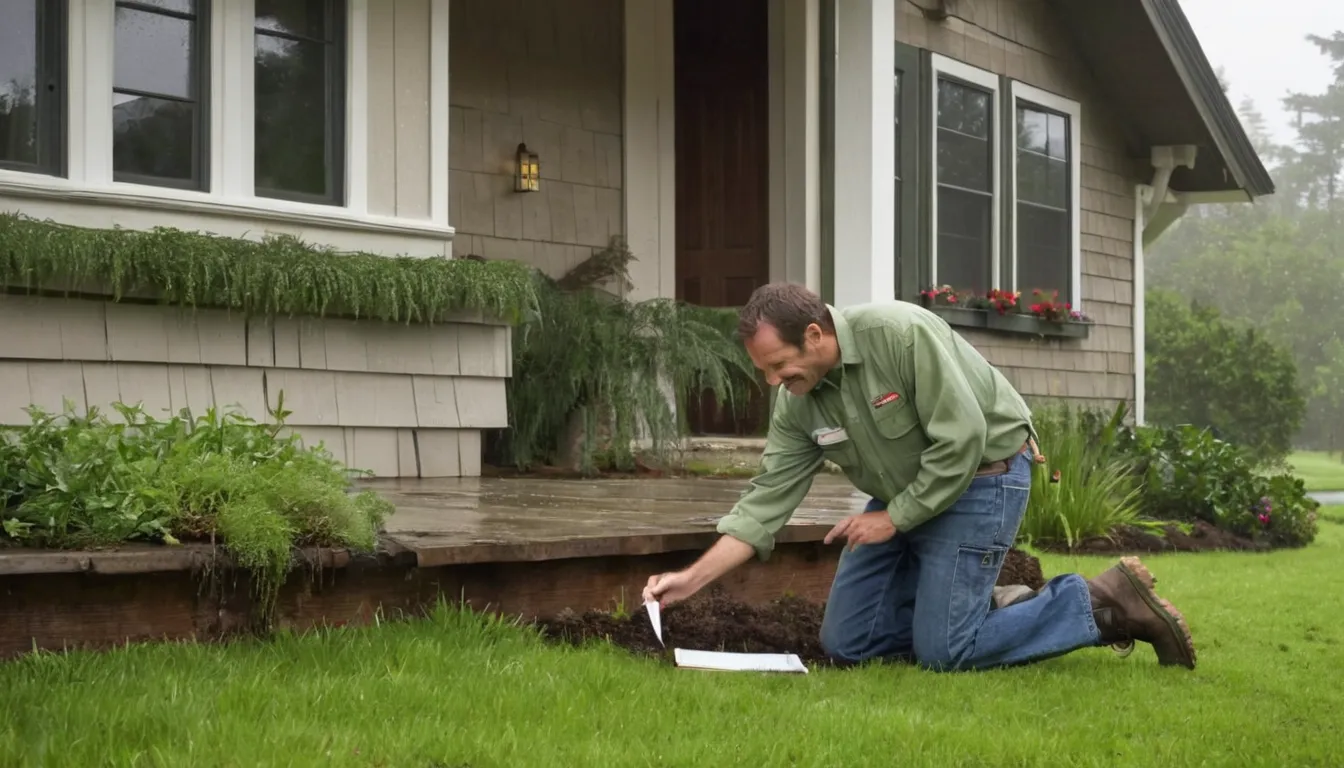
Pest Control for Homes in Lakewood
Request an estimate today
Pests rarely stay where you first see them. An ant trail at the sink or a mouse in the pantry is usually the visible part of a bigger story. Intelligencefired Pest Control helps you understand that story before you spend money, so the fix matches the real problem.
We are a referral service. We do not do the treatment ourselves. After you request an estimate, we connect you with an independent provider in our network who serves the Lakewood area. Residential pest control done well protects the house, keeps small problems from turning into repairs, and supports your home's value when it is time to sell.
Pests in Your Home? Start Here
You found ants on the counter, droppings in a drawer, or a spider web that keeps coming back. Take a breath. Most home pest problems can be fixed, and the first step is to understand what you are dealing with.
Think of a pest like a drip under the sink. The drip you see is small, but the cause may be bigger. Good residential pest control looks for the cause, not only the bug on the floor. If you typed "exterminator near me" into a search bar, you are in the right place to learn how this works before you pay.
Signs That Need Attention First
Some signs matter more than others. Here is the order a patient inspector would worry about them.
- Scratching, gnaw marks or droppings in walls and cabinets, which point to mice or rats
- Mud tubes, piles of tiny wings or soft, hollow-sounding wood, which can point to termites
- Itchy bites, small dark spots or shed skins near a mattress, which can point to bed bugs
- Trails of ants, or roaches seen in daylight
- Spider webs and crickets, which are annoying and usually the least urgent
Rodents and wood-eating insects sit at the top because they can harm wiring, insulation and framing while you go about your day. Ants and spiders can wait a little longer, but they often signal damp spots worth checking.
Why Acting Early Protects the House
Small signs, early. A pest problem is a lot like a tiny chip in a windshield. Fixed when it is small, it is a simple repair. Left alone, it spreads.
Your home is likely your largest investment. A buyer's inspector will look for pest activity and old damage, and findings can slow a sale or bring repair requests. Treating a problem early and keeping the paperwork from each visit helps protect the house and its resale value.
Why Wet Seasons Bring Pests Indoors
Long stretches of steady rain, mild temperatures, moss and damp soil make life easy for many pests. Picture your home as a dry, warm shelter in a soggy yard. Insects and rodents move toward it.
Wood-frame homes, crawl spaces and older craftsman houses have many small gaps around pipes, vents and siding. Newer townhomes share walls, so a problem next door can wander over. Windstorms can also push branches against the roof and create new paths in.
What Pest Control Covers
A visit from an independent provider usually has a few parts.
- An inspection inside, outside and often in the crawl space or attic
- Identifying the pest, since each one needs a different plan
- Targeted treatment, such as baits, gels, sprays or exterior barriers
- Advice on the entry points and moisture that let pests in
- Follow-up visits when the pest needs more than one round
- A written summary of what was found and what was done
Common Pests Providers Treat
Most providers handle the usual household list. Ants, roaches, spiders and crickets are the everyday visitors. Mice and rats move in as the weather turns cold and wet. Termites work quietly inside wood. Many providers also offer bed bug treatment, which is a more detailed process than a simple spray.
Wildlife in the attic, such as raccoons or squirrels, and full termite treatment are different jobs. They have their own pages on this site.
Questions About Product Safety
It is smart to ask about safety. Think of a pest product like a medicine. The label says how much to use, where, and who should stay away. A careful provider follows that label.
Ask which products will be used, where they go, and how long kids and pets should stay out of treated areas. Many providers place baits and gels in cracks and treat the outside edge of the house, so less product ends up in living spaces. Tell them about pregnancy, pets, fish tanks or allergies before the visit. Request a callback to check provider availability and ask about safer options.
One-Time Treatment or Ongoing Plan?
Compare it to a single oil change versus regular car care. One visit makes sense for a clear, small problem, like a wasp nest or a short ant trail.
An ongoing plan, often every quarter, suits homes in damp areas where pests keep coming back. The visits are lighter, and the provider can spot small signs early. Bed bugs, roaches and termites usually need a set series of visits instead of a yearly plan.
What Drives the Price
The price depends on the pest, the size of the home, how far the problem has spread and how many visits are needed. Crawl spaces and attics add time. Heavy infestations take more product and more follow-up.
Get a quote in writing. It should name the pest, the areas treated, the number of visits and the terms for repeat visits. The ranges in the table on this page are typical U.S. figures and vary by job.
Choosing a Pest Control Provider
- Ask if the provider is licensed in your state and carries insurance
- Ask them to name the pest and explain the plan in plain words
- Get the quote in writing, with visit counts and repeat terms
- Be wary of pressure to sign a long contract on the spot
- Ask what happens if the pests return between visits
Providers in our network are independent businesses. If you can, compare two quotes side by side.
Helping Treatment Work
Treatment works better when the house helps too. A few habits make a real difference.
- Store food in sealed containers and take out the trash often
- Fix drips and dry out damp areas, including the crawl space
- Trim branches and move firewood away from the walls
- Seal small gaps around pipes, vents and doors
- Clear clutter where pests like to hide
Ready for a Clear Next Step?
You do not need to figure it all out alone. Tell us what you are seeing, and we will pass your request to a local provider who can inspect and give you a written quote.
What's Included
Full Inspection
A provider checks inside, outside and often the crawl space to find where the pests live and enter.
Pest Identification
Each pest needs its own plan, so naming it correctly comes before any treatment.
Targeted Treatment
Baits, gels, sprays and exterior barriers are placed where pests travel and nest.
Written Follow-Up
Notes on what was found, what was done and what to watch for help protect the house.
Typical Pest Control Costs
Pest control prices depend on the pest, the size of the home and how many visits are needed. These are typical U.S. ranges only, so always ask for a written quote.
| Service | Typical range | Notes |
|---|---|---|
| One-time general treatment | $100 – $350 | Good for a single, clear problem |
| Quarterly plan (per visit) | $75 – $150 | Often suits damp climates |
| Monthly plan (per visit) | $40 – $70 | Used for stubborn or repeat pests |
| Ant or roach treatment | $150 – $500 | May need follow-up visits |
| Spider and cricket treatment | $100 – $300 | Often includes exterior treatment |
| Bed bug treatment (per home) | $300 – $3,000 | Depends on home size and method |
How It Works
Request an Estimate
Tell us what you see and where, using the short request form.
Get Matched Locally
Your request goes to an independent provider who serves your area.
Inspect
The provider looks at the home and names the pest.
Review the Quote
Read the written quote, ask questions, then choose whether to go ahead.
Why Call Intelligencefired Pest Control
Protect Value
Early treatment helps prevent hidden damage that can show up in a buyer's inspection later.
Plain Answers
You learn what the pest is, why it came, and what it costs.
Written Quotes
Providers can put the pest, visits and price on paper before work starts.
Local Providers
Independent providers know the damp climate and the local housing styles.
Other Services
Need pest control in Lakewood?
Tell us what you are seeing at home. Send the request form for an estimate, or email contact@intelligencefired.beer and we will point you to a local provider.
No obligationPest Control FAQ
How much does pest control cost for a house?
A one-time general treatment often runs about $100 to $350 in the U.S., while ongoing plans cost less per visit. Price varies by pest, home size and severity, so ask for a written quote.
Is residential pest control safe for kids and pets?
Many treatments use baits, gels and exterior barriers placed away from living areas. Ask the provider which products they use, where they go, and how long kids and pets should stay out.
How often should I schedule pest control?
A single problem may need one visit. Homes in damp, wooded or older areas often do well with a quarterly plan. A provider can suggest a schedule after inspecting your home.
Reach a local provider
Tell us what you are seeing at home. Send the request form for an estimate, or email contact@intelligencefired.beer and we will point you to a local provider.
No obligation